

Earlier this fall, ZUMIX Director of Programs Corey DePina took an extended field trip to a surprising location: Budapest, the capital of Hungary and a hub for the central European music education organization Superar.
Though it was Corey’s first time in Hungary, he traveled there to reconnect with a familiar face: Gergely “Greg” Bandi, who spent four months interning at ZUMIX in the summer and fall of 2024. Greg came to Boston through a cultural exchange program administered by IREX, which placed artists and nonprofit professionals from various countries at organizations in the U.S.
Greg, a teaching artist and program coordinator at Superar, worked with ZUMIX’s program team to learn more about arts nonprofit management in the U.S. and ZUMIX’s youth-centric, empowerment-focused model.
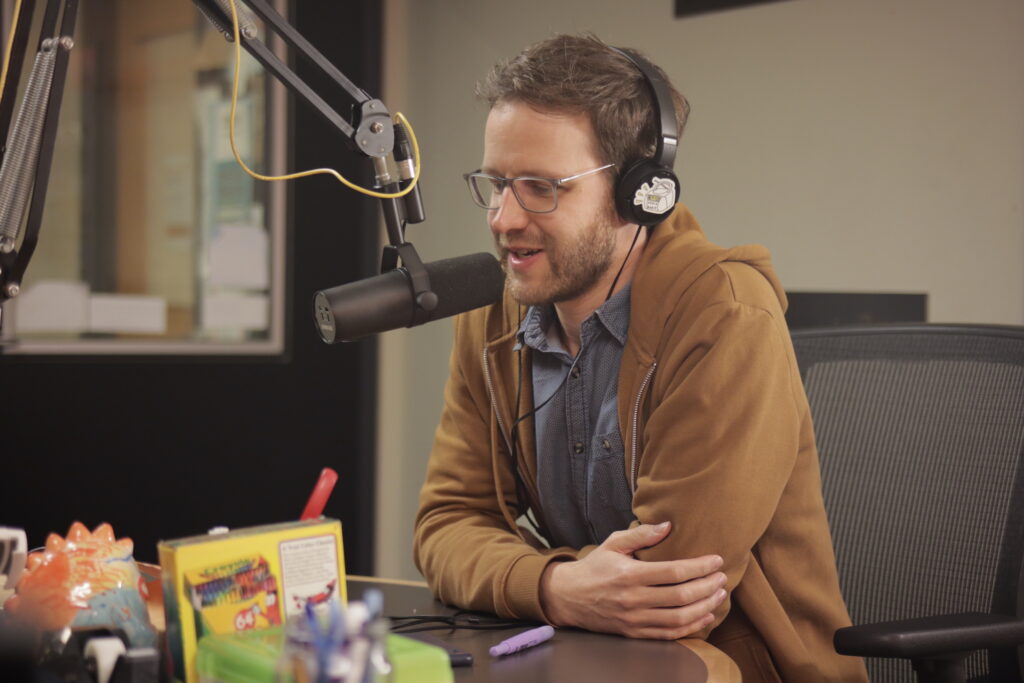
During his time at ZUMIX, Greg taught guitar lessons, served as ensemble leader for student ensemble Pop Rocks, accompanied the new Coro Latinoamericano, and participated in various ZUMIX programs and events. Greg returned to Hungary in Dec. 2024 and has incorporated some of ZUMIX’s cultural habits and practices into his work at Superar. When Corey arrived in Hungary for his reciprocal exchange, Greg served as host and tour guide.
“The world needs this work to happen,” Corey says of his time in Hungary, which also involved several side trips to Vienna and other local cities. “No matter where they are, young people need to be trusted and supported in a creative pathway. Young people all around the world need a place to feel loved, be supported, and try new things.”
Corey attended classes at Superar to observe and learn about the organization’s approach to music education. Superar works primarily with younger students in elementary and middle school, outside of one teen ensemble. Corey led exercises and activities with the teen ensemble (which Greg leads) and also visited a local school to observe choral and guitar groups with the younger students.

“It was my first time learning about the Roma/Gypsy community,” Corey says. “It’s a minority in Hungary, and those students have their own culture. They’re really talented and brilliant, and their culture is nomadic, traditionally. The idea of showing up and being committed to something is a really different concept for them.”
During his time abroad, Corey also led a training session for music educators from Budapest and surrounding areas.
“We talked a lot about youth engagement and meeting students where they are,” he says. He also found that many of the teachers felt isolated in their work. “It feels like a never-ending mission, and they’re doing it alone,” he says. “But it was cool to help them connect to one another, as part of a community. I kept saying, ‘Look at everyone in this room – you’re not alone. These other people are advocating for art as a form of expression and liberation, too.’ ”
Corey visited Superar’s Vienna location, where he ran several songwriting workshops, and observed rehearsals and performances. He also ran a workshop for the Superar Hungary staff about group building and creative youth development. “We talked about areas of strength, weaknesses, and support,” he says. “The director wanted to know where and how staff members needed support. What does that development look like?”
One fascinating aspect of the trip for Corey was engaging with the local hip hop scene, which he describes as “very underground.”
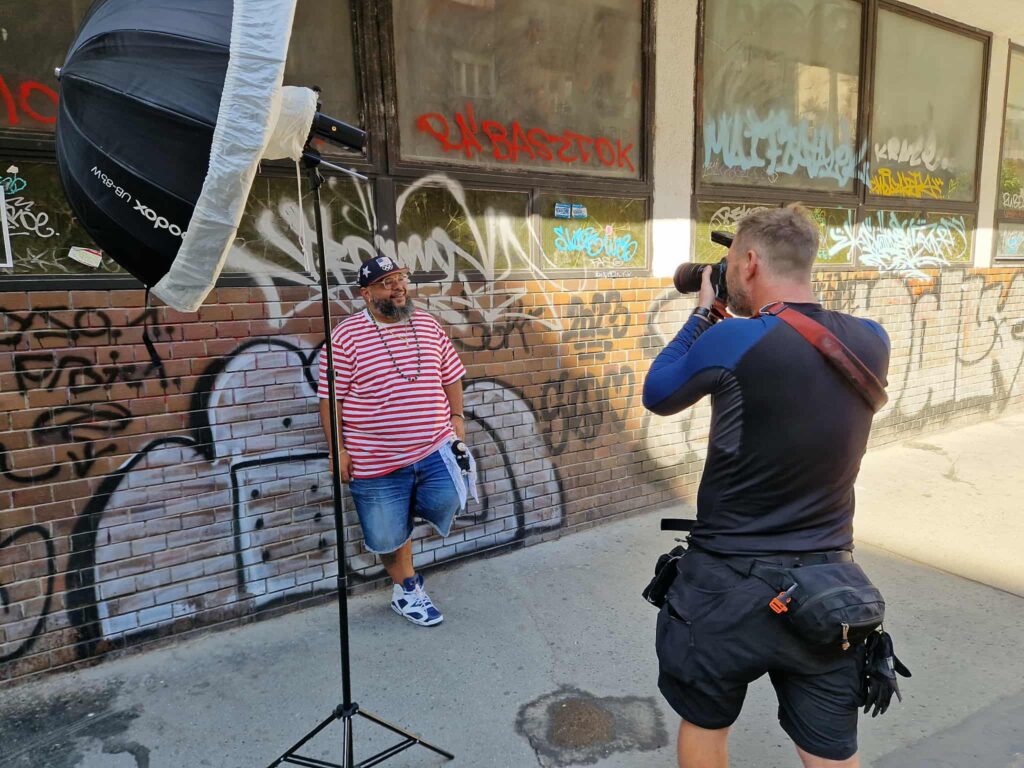
“It’s a niche community, not super public,” he says. “I would walk through the city and see graffiti everywhere, and ask about it – but people didn’t seem to notice it. I stopped into a hip hop shop that sold aerosol paint, and got the sense that hip hop is still very much under the radar. It’s not seen as ‘artsy’ in the way classical music is.”
Corey hosted several hip hop workshops during his trip, including a sold-out workshop at a local museum and concert venue.
“I was the first person to ever do an educational hip hop workshop in their space,” he says. “They were glad I was able to bring a unique, diverse group to the museum that’s not usually there. People really appreciated learning about the history of hip hop from the American point of view.”
Although Hungary was a whole new cultural experience–from the food to the language to the contrasting mix of ancient castles and post-Soviet buildings tagged with graffiti–Corey says he found some deep parallels with the work of ZUMIX and the way we seek to support young people.
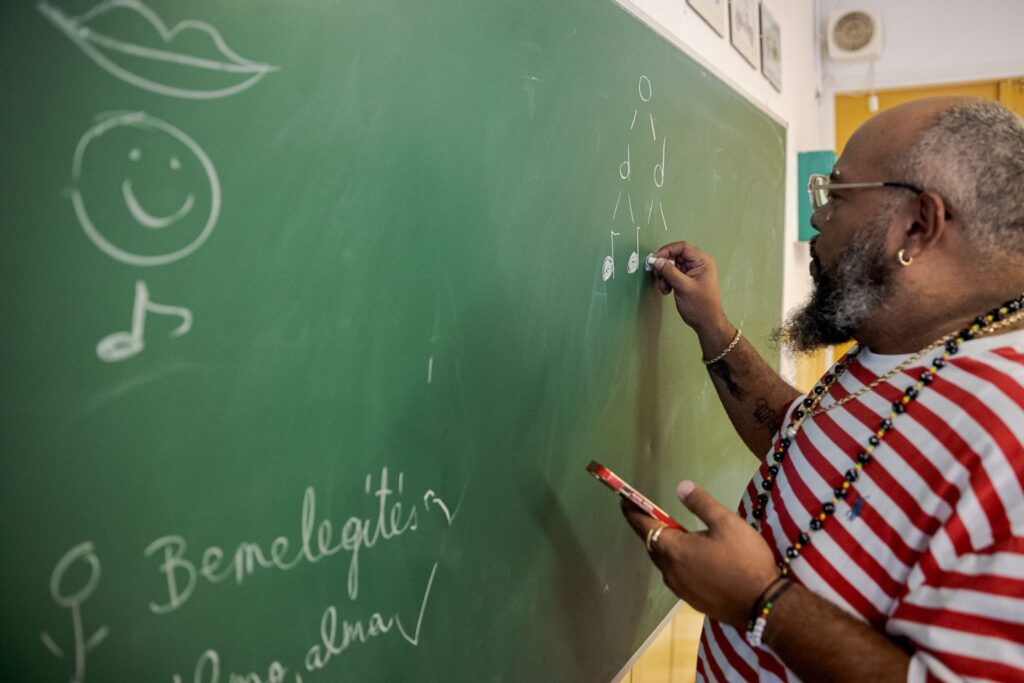
“Regardless of where we are, young people want to be heard,” he says. “They want to be in a safe space where they’re trusted, supported, and it’s genuine. So we have to ask, when we’re approaching our learning: What would make someone care about a class or a program? What are the ingredients to make someone care?”
As he headed home, Corey reflected on his time abroad and the effect of taking the ZUMIX model and ideas across the Atlantic.
“I think ZUMIX can be a leader globally, in terms of the impact that arts can have in people’s lives,” he says. “We have 35 years of experience, working with young people in this way! It feels incredibly cool to have people from other countries calling us. Maybe we’re the leaders, instead of waiting for the leaders to show up.”